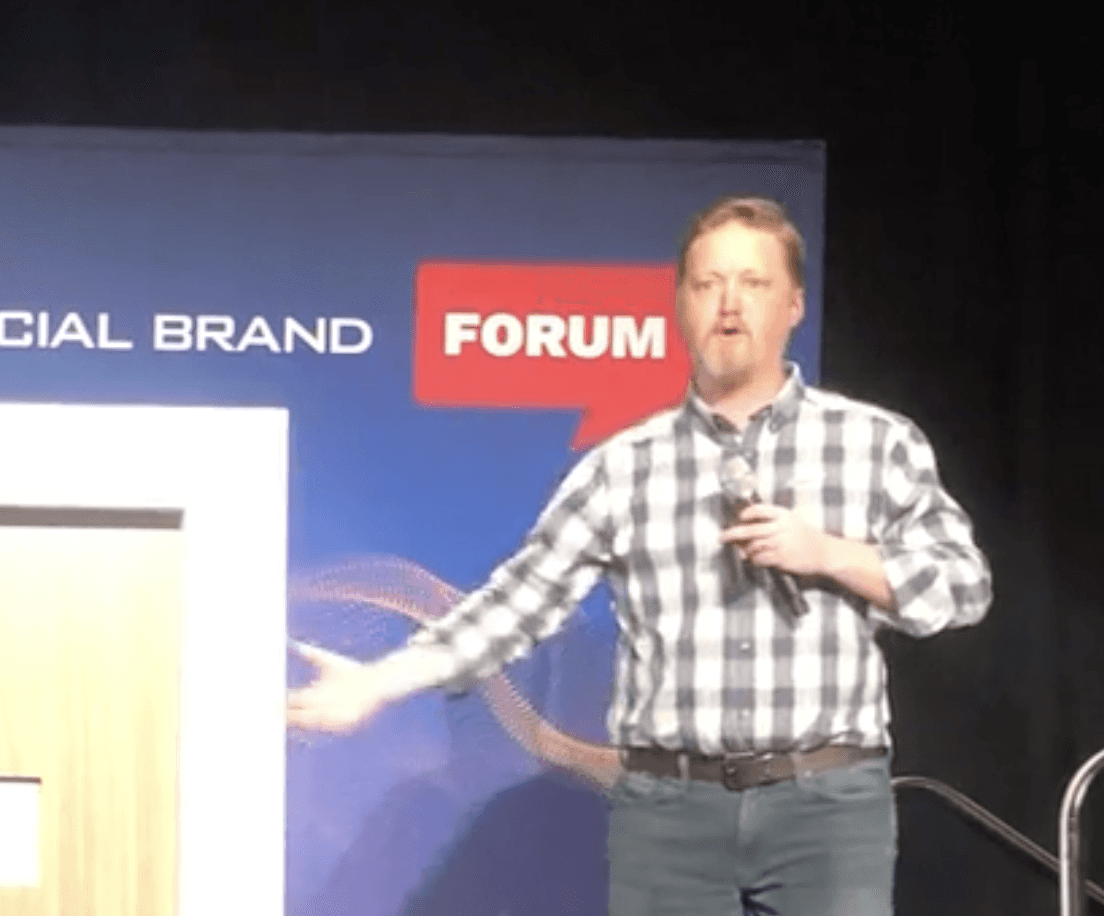
Featuring:

Chief Creative Officer | Principal
Beyond the Logo: What Makes a Brand High-Functioning?
Every organization has a brand. It lives in the perceptions and expectations people form through every interaction with the organization.
The difference between a high-functioning brand and a low-functioning one is how deliberately those perceptions are shaped. Effective branding connects business goals, audience needs, culture, creativity and execution to create experiences people recognize — and want to be part of.
In this Three Questions interview, CUInsight Publisher and CEO Lauren Culp speaks with Strum Creative Director and Principal Josh Streufert about what makes some brands more effective than others and how credit unions should approach brand identity today.
Josh explains why modern brands must move beyond the print-era model of a logo, color palette and typeface. Today’s brands need to work across channels, adapt to different formats and sizes, and remain flexible enough to evolve. That makes the complete brand system more important than any individual design element.
But a high-functioning brand is not simply a better design system. It requires alignment across the organization — from leadership to frontline employees—because culture, service and member experience all shape what the brand means.
It also requires focus. Strong brands understand the audiences they want to reach, tell stories that matter to those audiences and make deliberate choices about what they will — and will not — try to be.
The conversation offers one final challenge: differentiation should feel a little uncomfortable. Creating something distinctive requires doing something new. If a brand decision feels completely safe, it may be a sign that it is not pushing far enough.
In this interview, you'll learn:
What separates high-functioning brands from low-functioning ones
Why branding should be connected to business goals rather than treated as a marketing exercise
Why the complete brand system now matters more than the logo alone
How leadership, culture and frontline experiences influence brand perception
Why knowing and narrowing your audience creates stronger connections
How flexibility helps brands remain durable as channels and expectations change
Why meaningful differentiation requires a willingness to take risks